
"defect grading"
2000 article(s) found
Reference Index of Coffee Bean grading Coffee Bean selection Kit
In fact, at present, there is no unified classification in the coffee industry, and each country of production is divided into different levels. For example, Brazil sets NO.2 as the highest level and Jamaica sets NO.1 as the highest level. For individuals, because people's preferences and taste are different, grading can not fully show the flavor of coffee, it is more about the quality of coffee, so the grade of coffee is not very good to me.

Introduction about SCAA coffee cup tasting expert Q GRADER
Now South Koreans have accounted for 1x4 of the more than 1000 Q GRADER in the world. I hope more friends can pass smoothly. First, about the examination item Q GRADER belongs to an examination, the explanation part is relatively few. At present, the examination time is 5 days, with a total of 22 items. Including 1 written coffee test, 3 taste threshold tests, 4 smell bottle smell tests and 5 triangle cup tests

Coffee Common sense Coffee Bean Grade Analysis in Ethiopia
Ethiopian coffee beans are divided into five levels. The first and second stages are washed beans. Washed beans Grade1 represents 3 defective beans per 300g raw beans, and Grade2 represents 4 defective beans per 300g. Gradc1 grade water washed beans are very rare and are generally difficult to buy. At present, all the washed beans exported from Ethiopia are Grade2 grade. The quality of sun-dried beans is Grade3 and Grade4 in order.
Ethiopian coffee beans introduce the characteristics of Ethiopian coffee beans
Ethiopian coffee beans are divided into five levels. The first and second stages are washed beans. Washed beans Grade1 represents 3 defective beans per 300g raw beans, and Grade2 represents 4 defective beans per 300g. Gradc1 grade water washed beans are very rare and are generally difficult to buy. At present, all the washed beans exported from Ethiopia are Grade2 grade. The quality of sun-dried beans is Grade3 and Grad in order.
What does coffee bean grade G1 G2 G3 G4 AA PB SHB stand for? Grade of coffee beans in various countries
What exactly do the grades of coffee beans G1, G2, G3, G4, AA, PB and SHB represent? The name of a coffee may contain messages such as country, producing area, variety, treatment, cup quality, bean order, bean shape or color, defect, raw bean density, etc. To really understand the naming of coffee, we must first understand the classification and classification of coffee. Classification and classification of coffee

Introduction of Ethiopian Coffee beans Grade Analysis of Ethiopian Coffee beans
Ethiopian coffee beans are divided into five levels. The first and second stages are washed beans. Washed beans Grade1 represents 3 defective beans per 300g raw beans, and Grade2 represents 4 defective beans per 300g. Gradc1 grade water washed beans are very rare and are generally difficult to buy. At present, all the washed beans exported from Ethiopia are Grade2 grade. The quality of sun-dried beans is Grade3 and Grad in order.
Grade analysis of Ethiopian coffee beans how about Ethiopian coffee? Ethiopian coffee
Ethiopian coffee beans are divided into five levels. The first and second stages are washed beans. Washed beans Grade1 represents 3 defective beans per 300g raw beans, and Grade2 represents 4 defective beans per 300g. Gradc1 grade water washed beans are very rare and are generally difficult to buy. At present, all the washed beans exported from Ethiopia are Grade2 grade. The quality of sun-dried beans is Grade3 and Grade4 in order.

The method of grading coffee beans by the American boutique coffee association
Level 1: special sample size difference: less than 5% defects: 0-5 shall not contain significant defects total sample weight: 300 g sample size difference: less than 5% 5%, or in the delineated typical perimeter appreciation features: must be at least a little outstanding in the following features: taste, sour taste, taste, fragrance. Characteristics will be decided by the cooperation of both sides of the business. Through cup test and appreciation
Coffee knowledge: ten kinds of defective beans in coffee
One of the most important factors affecting the quality of coffee is defective beans. The number of defective beans also affects the grade of coffee. For example, the coffee evaluation method used in Brazil is the "deduction method", which is graded according to the number of defective beans in 300 grams of staple beans per gram.
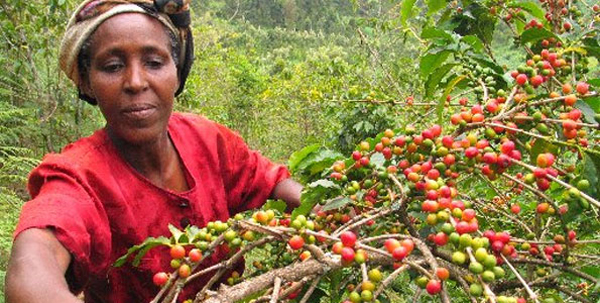
About Ethiopia coffee beans grade analysis to understand the quality of coffee beans classification
Ethiopian coffee beans are divided into five grades. The first and second stages are water-washed beans. Grade1 means 0~3 defective beans per 300 g of raw beans;Grade2 means 4~12 defective beans per 300 g. Grade 1 washed beans are extremely rare and generally difficult to buy. At present, all washed beans exported from Ethiopia are Grade2. The quality of sun-dried beans is Grade3 and Grade4 in sequence.
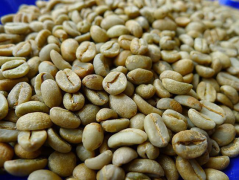
Grade analysis of Ethiopian coffee beans Ethiopian coffee beans are divided into five levels
Ethiopian coffee beans are divided into five levels. The first and second stages are washed beans. Washed beans Grade1 represents 3 defective beans per 300g raw beans, and Grade2 represents 4 defective beans per 300g. Gradc1 grade water washed beans are very rare and are generally difficult to buy. At present, all the washed beans exported from Ethiopia are Grade2 grade. The quality of sun-dried beans is Grade3 and Grade4 in order.

Coffee is classified like this. Explore the secret and classification of coffee bean names.
Professional coffee knowledge exchange More coffee bean information Please pay attention to coffee workshop (Weixin Official Accounts cafe_style) When buying coffee beans, in addition to seeing the name of coffee origin in the packaging or text introduction, sometimes you will see English and numbers, G1, G2, G3, AA, PB, SHB, SHG, HB, etc. Have you ever been confused about what these English or numbers represent? they

[practical information] how are coffee beans screened and graded?
Communication of professional baristas Please pay attention to the grading of coffee in the coffee workshop (Wechat official account cafe_style). If the owners of two cafes are discussing, owner A says: the coffee beans we use in our shop are NO.2 in Santos, Brazil. Where is your shop? B the shopkeeper said: our store uses Brazilian NO.1 of the same level as Blue Mountain NO.1. The evaluation method adopted in Brazil is the deduction method, according to every 300 grams.

The name of coffee bean is regular. The origin of coffee bean name is classified by manor name.
Professional coffee knowledge exchange more coffee bean information Please pay attention to the coffee workshop (Wechat official account cafe_style) when buying coffee beans, in addition to the name of the coffee origin in the packaging or text introduction, sometimes you will see the English and numbers, G1, G2, G3, AA, PB, SHB, SHG, HB, etc., have you ever wondered what these English or numbers represent? he

Exploring the secrets and classification of coffee bean names: how to distinguish the quality of coffee beans
Communication of professional baristas Please pay attention to the coffee shop (Wechat official account cafe_style) when buying coffee beans, you will sometimes see English and numbers, G1, G2, G3, AA, PB, SHB, SHG, HB, etc., in addition to the name of the coffee producing area in the packaging or in the text introduction. Have you ever wondered what these English or numbers represent? What's the difference between them?
The influence of the selection of coffee beans on the importance of defective beans according to the screening and grading criteria of coffee beans in Ethiopia
In the coffee market, the size of coffee beans is very important. On the one hand, several coffee producers define their premium by the size of coffee beans. For example, the famous Kenyan AA coffee costs more than the smaller Kenyan AB coffee. When the screening size is large, the price will increase. The main theory on the market is that high-altitude coffee grows more slowly and has higher density than low-altitude coffee.

Introduction to the classification of boutique Kenyan coffee
◎ grades defective beans by the number of points, which is the earliest method of grading, and is still in use in many parts of Brazil. The method of identification is to randomly take 300 grams of samples and put them on black paper, because black paper can best avoid reflection. Then, examined carefully by the professional appraiser, find out the defective beans in the sample, and accumulate different scores according to the types of defects. For example, one black bean counts as one.

Ethiopian Coffee Export Ethiopia Coffee grading system
For more information on coffee beans, please follow Coffee Workshop (official Wechat account cafe_style) [Export of Ethiopian Coffee] according to Ethiopian decree, there are three coffee export systems: (1) the largest privately owned processing plant system for export through ECX bidding, (2) cooperative system, and (3) single farm system. In these three systems, cooperatives
Common sense of graded coffee to distinguish between coffee beans and coffee beans
● distinguishes the key names and specifications of coffee beans the name of the port of export of ● can tell the shipping route from the name of the port of exit marked. Coffee from the same origin or the same brand has a certain route, so it is also exported from the same port. For example, if it is marked as "Brazil. Santos", it means that this is coffee exported from Santos, but the one marked "Mocha" is taken as an example.
Fine coffee beans: teach you to distinguish coffee beans and coffee beans graded coffee basics
● Key to distinguish the name and specification of coffee beans ● Export port name From the indicated export port name, you can know the route of transportation. Coffee of the same origin or brand has a certain route, so it is also exported from the same port. For example, if the label is "Brazil." Santos "means it's coffee coming out of Santos, except when it's marked mocha.